


The dual mission: Excellence in patient care and researchSwiss university hospitals occupy a unique position in the global healthcare landscape, seamlessly combining world-class patient care with pioneering medical research. Unlike traditional hospitals that focus primarily on treatment, these institutions operate under a dual mandate that drives continuous innovation.
Inselspital Bern (Universitätsspital Bern) and CHUV Lausanne (Centre hospitalier universitaire vaudois) exemplify this model perfectly. Both institutions serve as teaching hospitals while simultaneously conducting research that shapes medical practice worldwide.
Key characteristics of Swiss university hospitals:Integrated research facilities: State-of-the-art laboratories and research centres embedded within hospital infrastructure
Academic partnerships: Close collaboration with medical faculties and universities
Translational medicine: Direct pathway from laboratory discoveries to patient treatment
International networks: Participation in global research consortiums and clinical trials
Multidisciplinary approach: Teams combining clinicians, researchers, and specialists
This unique structure enables these institutions to translate scientific discoveries into practical treatments more rapidly than traditional research settings. Patients benefit from access to cutting-edge therapies often years before they become widely available.
The financial investment in research at these institutions is substantial. Inselspital Bern allocates approximately CHF 200 million annually to research activities, while CHUV invests similar amounts in advancing medical knowledge and innovation.
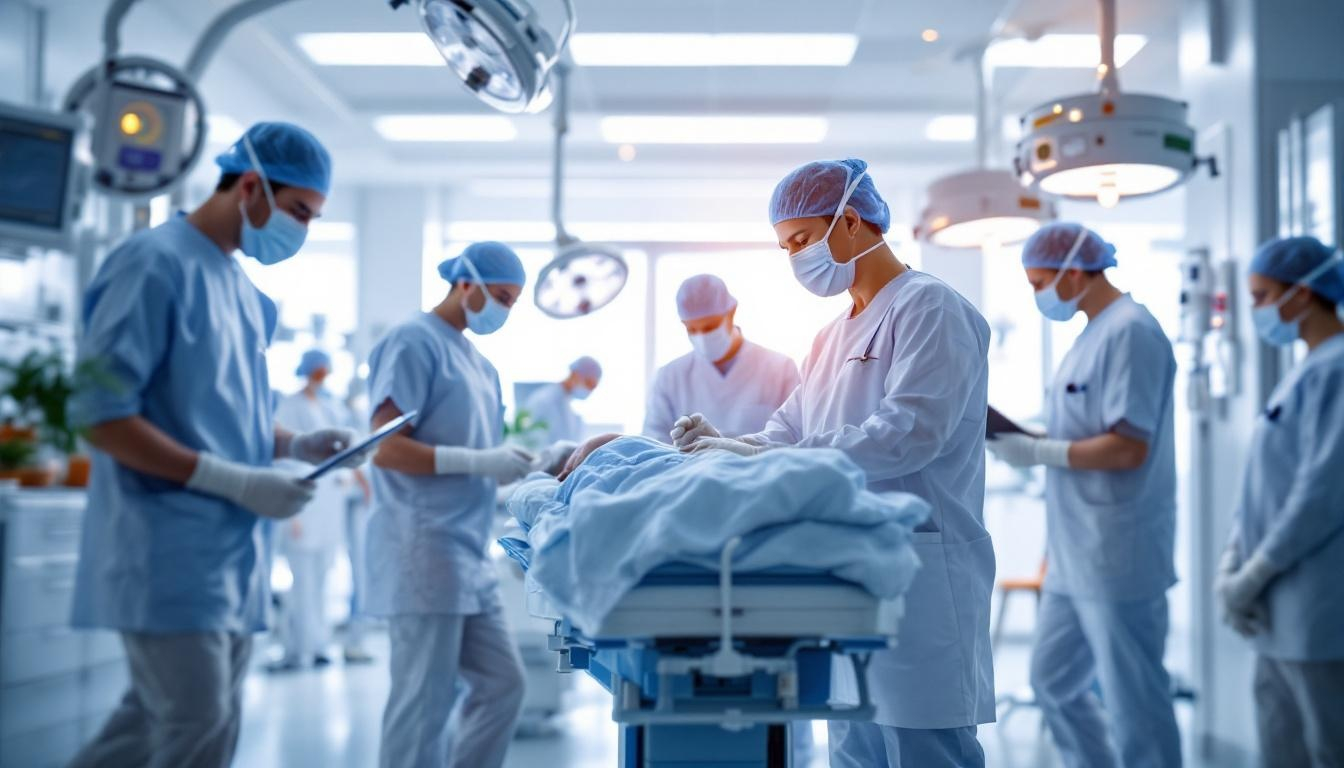
Breakthrough research and innovations from Swiss university hospitalsSwiss university hospitals have established themselves as global leaders in several medical specialties, producing research that fundamentally changes how diseases are understood and treated.
Inselspital Bern's research highlights:Cardiology and cardiac surgery:
- Development of minimally invasive heart valve procedures
- Pioneering work in artificial heart technology
- Advanced research in cardiac regenerative medicine
Neuroscience and neurosurgery:
- Breakthrough studies in deep brain stimulation for Parkinson's disease
- Innovation in epilepsy surgery techniques
- Leading research in stroke prevention and treatment
Oncology:
- Participation in international cancer clinical trials
- Development of personalised cancer therapies
- Research in immunotherapy applications
CHUV Lausanne's research excellence:Transplantation medicine:
- World-leading liver transplantation program
- Innovation in organ preservation techniques
- Research in xenotransplantation (animal-to-human transplants)
Precision medicine:
- Genomic medicine initiatives
- Personalised treatment approaches based on genetic profiling
- Development of biomarker-driven therapies
Digital health:
- Integration of artificial intelligence in diagnostic procedures
- Development of telemedicine platforms
- Research in wearable health technology
Both institutions publish hundreds of peer-reviewed research papers annually in prestigious medical journals, contributing significantly to the global medical knowledge base. Their research often leads to patent applications and the development of medical devices that benefit patients worldwide.
Impact on global healthcare and future directionsThe influence of Swiss university hospitals extends far beyond Switzerland's borders, with their research shaping international medical standards and treatment protocols.
Global impact metrics:Research collaborations: Partnerships with over 100 international institutions
Clinical trial participation: Involvement in more than 1'000 active clinical studies
Knowledge transfer: Training programs for international medical professionals
Technology licensing: Medical innovations adopted by healthcare systems worldwide
Publication impact: Research cited thousands of times in international literature
Future research directions:Artificial Intelligence and Machine Learning:
- Development of AI-powered diagnostic tools
- Predictive analytics for patient outcomes
- Automated treatment planning systems
Regenerative Medicine:
- Stem cell therapy applications
- Tissue engineering for organ replacement
- Gene therapy for inherited diseases
Precision Medicine:
- Pharmacogenomics for personalised drug therapy
- Liquid biopsies for early cancer detection
- Targeted immunotherapies
Challenges and opportunities:Swiss university hospitals face several key challenges as they continue to drive medical innovation:
- Funding competition: Securing research grants in an increasingly competitive environment
- Regulatory compliance: Navigating complex approval processes for new treatments
- Talent retention: Competing with international institutions for top researchers
- Technology integration: Balancing innovation with patient safety and data privacy
Despite these challenges, the future outlook remains exceptionally promising. Both Inselspital Bern and CHUV Lausanne continue to expand their research capabilities, with new facilities and partnerships planned for the coming years.
The Swiss government's commitment to healthcare research, combined with strong industry partnerships and international collaborations, positions these institutions to remain at the forefront of medical innovation. Their continued success ensures that Switzerland will maintain its reputation as a global healthcare innovation hub, benefiting patients both locally and internationally.